

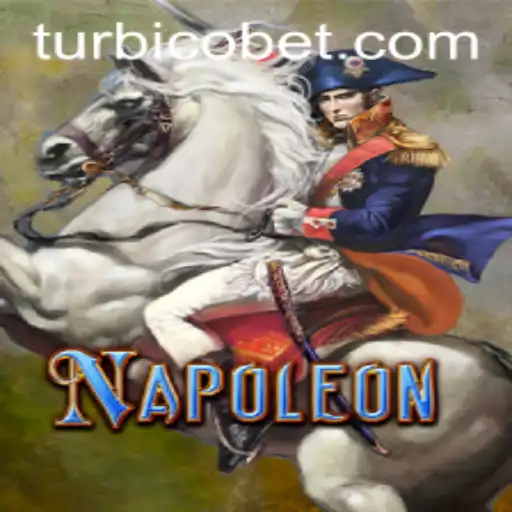
Napoleon: A Card Game Steeped in History
The card game Napoleon, named after the legendary French military leader, has long captivated enthusiasts of strategic gameplay. Known for its intricate rules and the mental acuity it demands of its players, Napoleon has maintained its allure across generations. This game of skill and wit is a staple among card game aficionados and a fascinating exploration for those interested in games with historical roots.
The Intriguing Origin of Napoleon
Napoleon emerged as a popular card game during the early 19th century, a time when the real-life figure of Napoleon Bonaparte was a dominant force in global affairs. Its origins are believed to be British, possibly as a way to pay homage to or even satirize the strategic brilliance associated with the famed leader. The game quickly spread across Europe, offering a blend of chance and strategic depth that mirrored the complex battlefields of its namesake.
Why the Game Continues to Enthrall
Part of Napoleon's lasting appeal is its formulation that invites players to engage in strategic thinking and adapt to changing circumstances. The game's mechanics align with the strategic contemplation required in the real-life strategies of its namesake, making each round both unpredictable and exciting. This timeless game remains relevant today as new generations discover its capacity to challenge and educate through play.
The Objective and Basics of Play
Napoleon is designed for a minimum of three players and can accommodate up to seven. The goal is simple yet daunting: to win a specific number of tricks, as declared before the start of the round, by playing higher-ranked cards than opponents. Players must tactically choose when to play their highest cards and when to lose intentionally to outmaneuver others.
The Rules of Engagement: How to Play Napoleon
The game starts with the dealer distributing the deck's cards evenly among all players, with any remainder forming a kitty placed in the center of the playing table. A bidding phase ensues, beginning with the player to the dealer's left, during which players declare the number of tricks they aim to win. The highest bidder assumes the role of 'Napoleon' and gains the strategic advantage of setting the game's tempo.
Each play round is called a 'trick,' where players contest to play the highest card possible following the suit led by the first player. The player leading the trick can play any card, but subsequent players must follow suit if possible. If not, they may play any card from their hand, allowing for potential strategy shifts.
Strategies and Tactical Appeal
Success in Napoleon relies heavily on adept card play strategy. Players must anticipate opponents' moves, balance risk with bold plays, and manage their hand effectively. The allure of the 'kitty,' cards set aside at the game's onset, becomes a significant element of strategy, requiring players to speculate and adapt their plans based on potential outcomes drawn from these unknown cards.
Napoleon in a Modern Context
In an age dominated by digital gaming, card games like Napoleon serve as a testament to the enduring appeal of tactile and face-to-face interaction. The game offers an opportunity to disconnect from screens and engage in meaningful social interaction underscored by strategic competition. This resurgence in traditional games coincides with a broader trend towards nostalgia-driven entertainment, where historical and classic play experiences are celebrated.
The Game's Cultural Relevance Today
The appeal of Napoleon extends beyond its gameplay. Its historical associations offer players a narrative context that enriches the gaming experience. As such, it attracts history buffs and gaming enthusiasts alike, creating a dynamic nexus of cultural heritage and entertainment. This amalgamation of history, culture, and gameplay aligns well with an ongoing collective yearning for connection and understanding through play.
Uuugame: Reflections on Game Preservation and Innovation
As a key player in the promotion and preservation of classic games, uuugame embodies a contemporary commitment to sustaining cultural pastimes like Napoleon. Through its platform, uuugame facilitates the transmission of traditional games to broader audiences, ensuring that the strategic richness of games like Napoleon continues to inspire future generations. The platform's efforts in fostering community engagement through gameplay resonate with ongoing initiatives to balance digital and traditional gaming experiences.
In conclusion, the card game Napoleon stands tall as a prime example of historical games that are not just about entertainment but also about the cultural and strategic insights they provide. Whether you are seeking a mental challenge, historical intrigue, or simply a connection to classic pastimes, Napoleon offers a unique opportunity to engage with strategy in a deeply rewarding way.